Archives
- 2026-09
- 2026-08
- 2026-07
- 2026-06
- 2026-05
- 2026-04
- 2026-03
- 2026-02
- 2026-01
- 2025-12
- 2025-11
- 2025-10
- 2025-09
- 2025-03
- 2025-02
- 2025-01
- 2024-12
- 2024-11
- 2024-10
- 2024-09
- 2024-08
- 2024-07
- 2024-06
- 2024-05
- 2024-04
- 2024-03
- 2024-02
- 2024-01
- 2023-12
- 2023-11
- 2023-10
- 2023-09
- 2023-08
- 2023-06
- 2023-05
- 2023-04
- 2023-03
- 2023-02
- 2023-01
- 2022-12
- 2022-11
- 2022-10
- 2022-09
- 2022-08
- 2022-07
- 2022-06
- 2022-05
- 2022-04
- 2022-03
- 2022-02
- 2022-01
-
Anti-inflammatory agent br HMG proteins mobile modulators of
2025-01-04
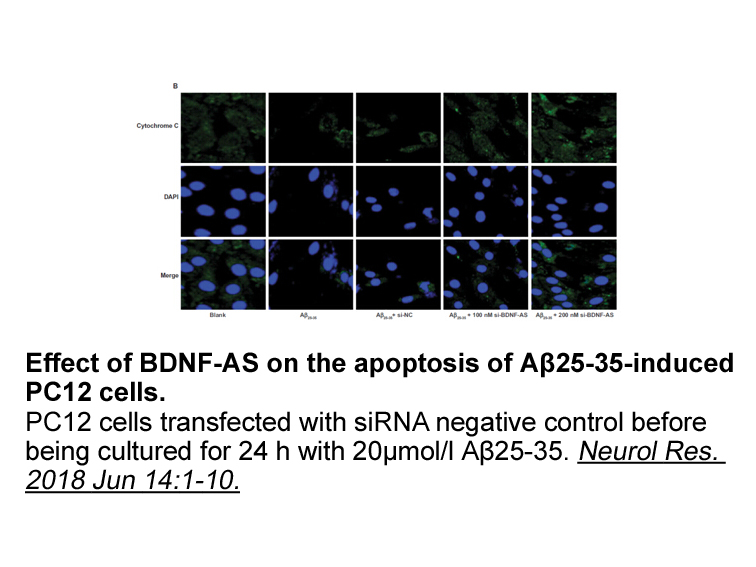
HMG proteins: mobile modulators of chromatin structure and cellular phenotype The term “High Mobility Group” was originally coined for the HMG proteins because of their unusual solubility properties, their small size and their rapid mobility, relative to other chromatin proteins, during gel elect
-
Plant defensins Vriens et al and linear
2025-01-04
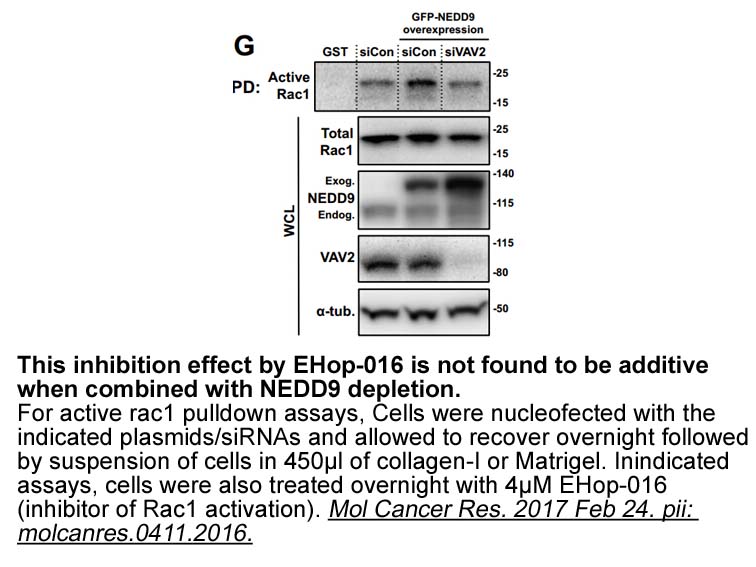
Plant defensins (Vriens et al., 2014) and linear AMPs (Domingues et al., 2015, Liu et al., 2008) have been shown to present several modes of action. Among these different mechanisms, permeabilization of the fungal membrane has been described as a secondary effect of plant defensin action (Vriens et
-
br Introduction AMPA receptors AMPARs mediate the majority o
2025-01-03
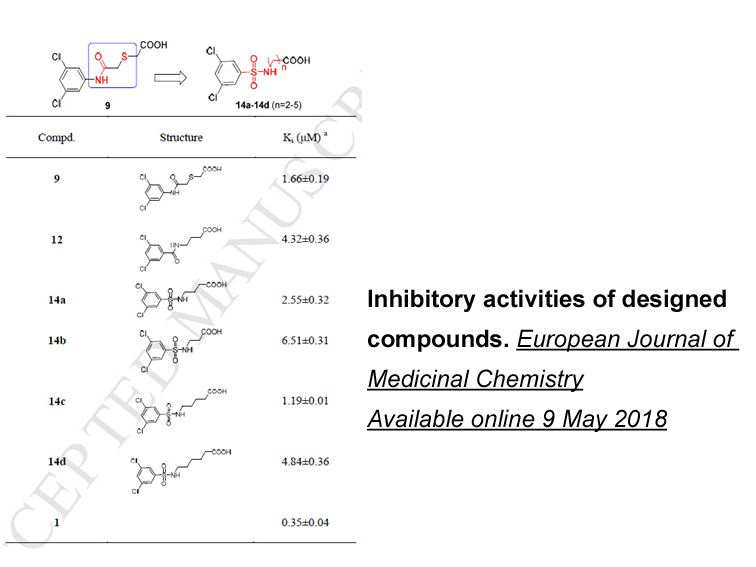
Introduction AMPA receptors (AMPARs) mediate the majority of fast excitatory postsynaptic currents (EPSCs) in the 3mb (Jonas, 2000). The brevity of EPSCs and rapid deactivation of AMPARs depend upon a short lifetime of synaptically released glutamate, estimated to be about 1 ms (Clements et al.,
-
Further validation for a role in LOX pathway
2025-01-03
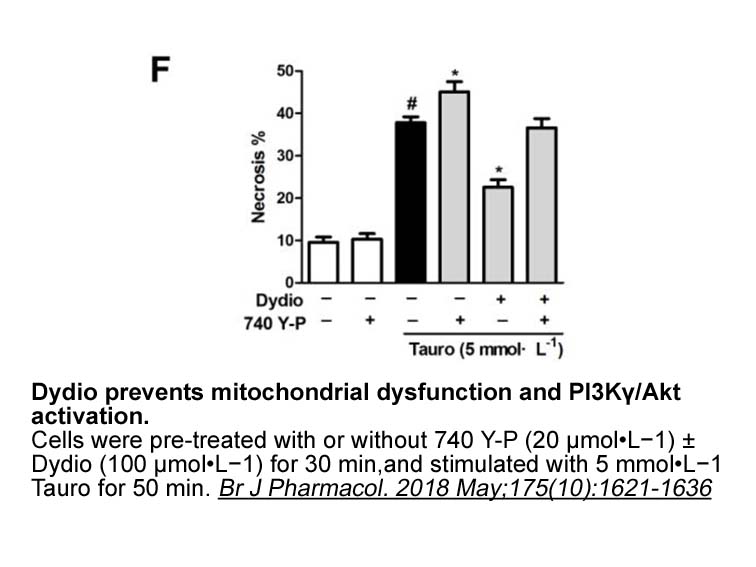
Further validation for a role in 12/15-LOX pathway in mediating adipocyte function comes from studies revealing a regulatory role of lipocalin-2 on 12/15-LOX activity. Lipocalin-2, a glycoprotein member of the lipocalin superfamily, is a novel abundant adipokine implicated in obesity-mediated inflam
-
ERAP has been crystallized in
2025-01-03
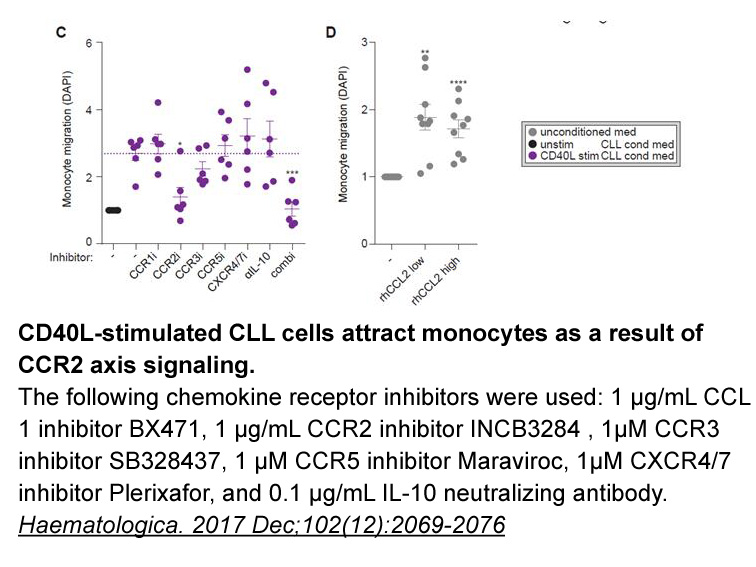
ERAP1 has been crystallized in two different conformations, wherein the C-terminal domain IV is either closely interacting with domains I/II and enclosing the active site (termed ‘closed’), or is rotated away in a hinge motion which exposes the active site (‘open’). This large motion correlates with
-
Plasmodium falciparum inhibitor The AChR is composed of five
2025-01-03
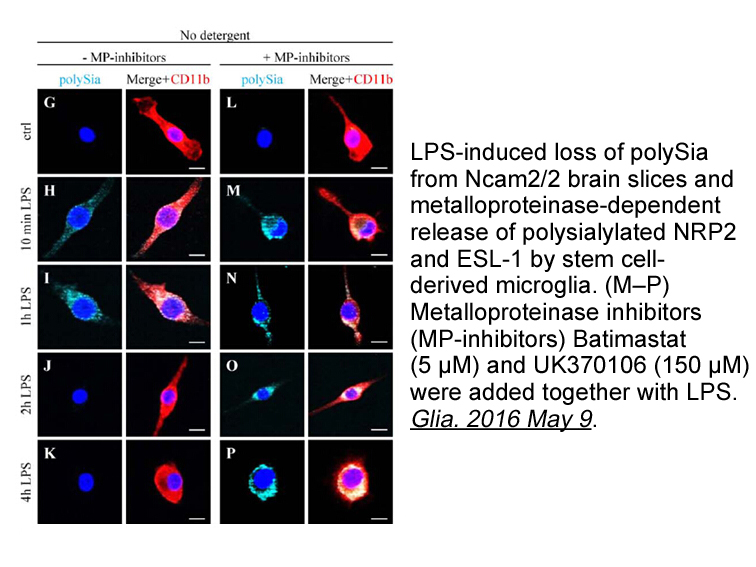
The AChR is composed of five homologous, membrane-spanning subunits. AChRs containing two α, one β, one δ and one γ subunit (AChRγ) predominate during embryonic development and mice lacking AChRγ die at birth (Takahashi et al., 2002). After birth, the AChRγs are replaced during the first 2 postnatal
-
It has been suggested that the suppression of
2025-01-03
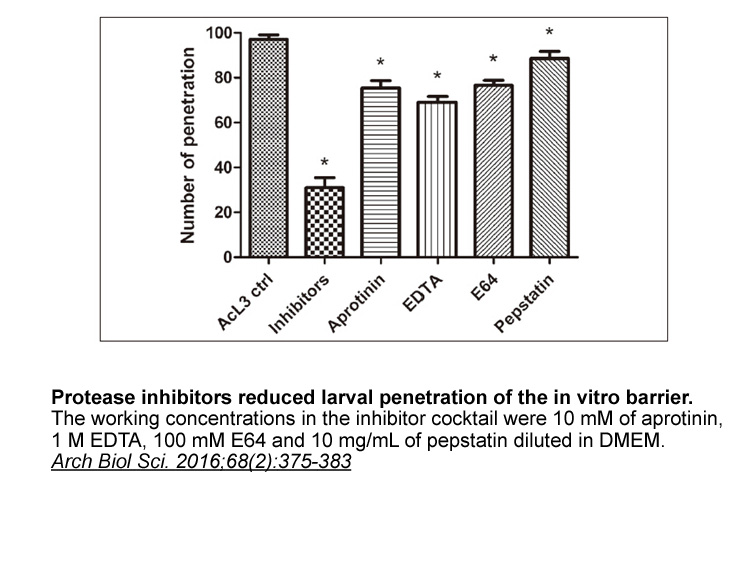
It has been suggested that the suppression of 5-LOX could promote apoptotic signaling pathways in cancers [6]. However, the role of 5-LOX in modulating apoptotic factors and neutrophil activation during ANP has not yet been evaluated. In this study, we aimed to evaluate the expression of 5-LOX in pa
-
HT receptors are distributed throughout
2025-01-03
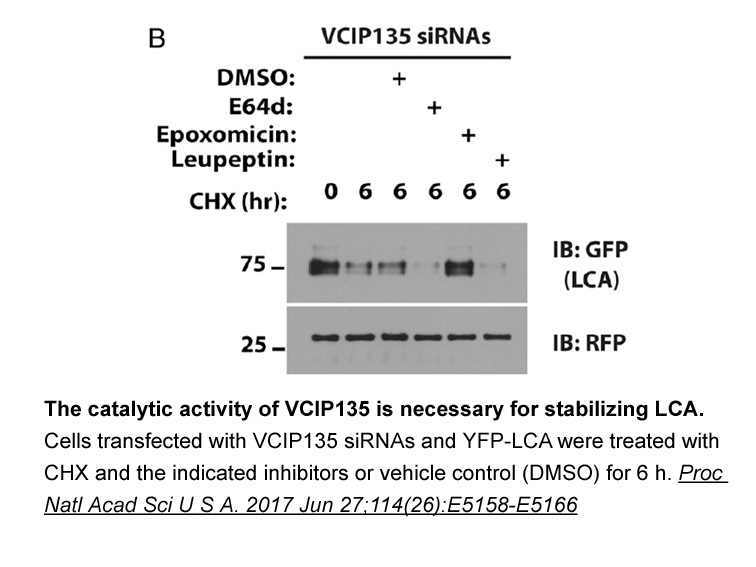
5-HT3 receptors are distributed throughout the brain, within the brainstem (e.g., nucleus tractus solitarius, area postrema and spinal trigeminal nucleus) and alk5 (e.g., hippocampus, amygdala, nucleus accumbens, putamen and caudate) (Abi-Dargham et al., 1993, Barnes et al., 1989, Bufton et al., 19
-
br Conclusions br Acknowledgments br Introduction To die or
2025-01-02
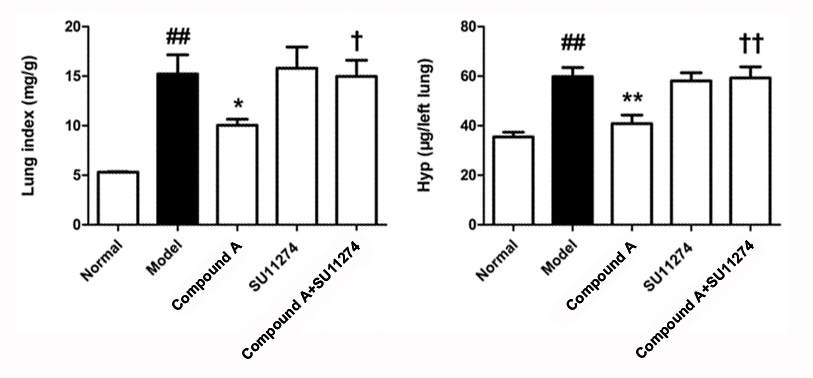
Conclusions Acknowledgments Introduction To die or not to die – that is the question. Christian de Duve created the word “autophagy” in 1960’s for the first time (Klionsky et al., 2016). The word “autophagy” was derived from the Greek roots “auto” (self) and “phagy” (eating) and referred to
-
br Autophagy and antiviral innate immunity signaling
2025-01-02
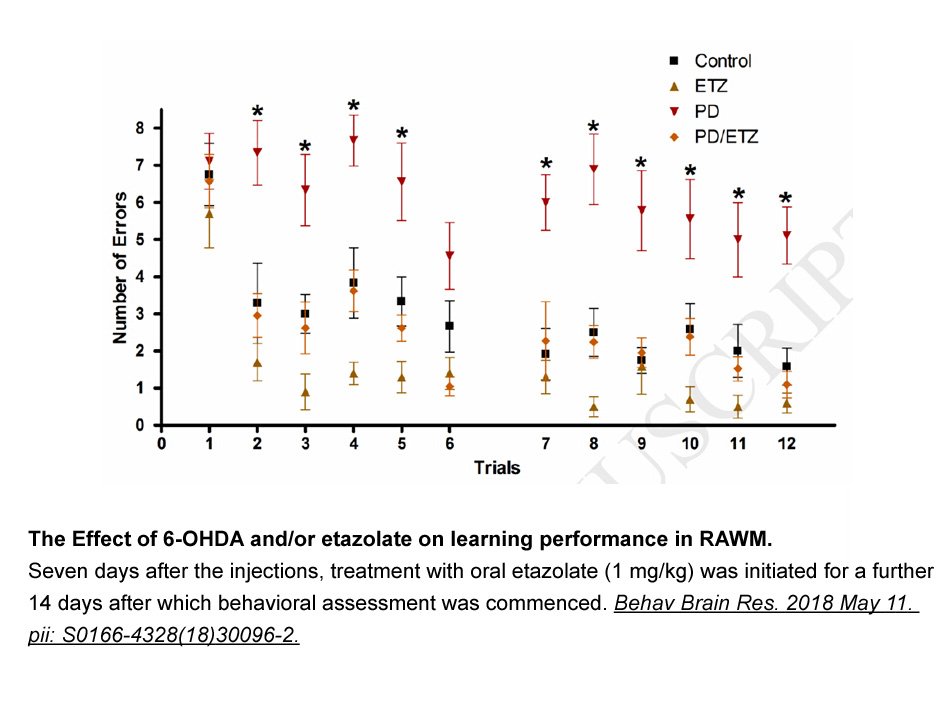
Autophagy and antiviral innate immunity signaling Viral manipulation of autophagy interfering with IFN-I synthesis We have seen that autophagy factors can down-regulate the production of IFN-I induced by RLR engagement during viral infection. In fibroblasts and epithelial cells, there exists c
-
In this study we first
2025-01-02
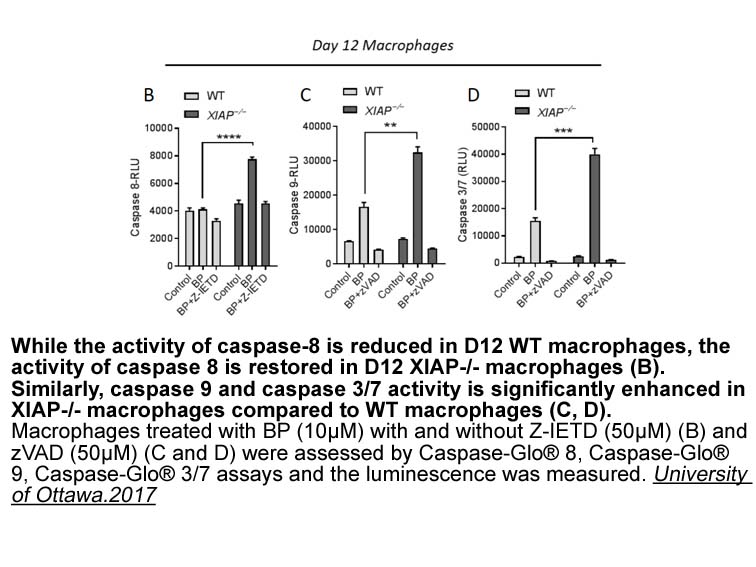
In this study, we first determined whether AIF in bovine LT muscle is expressed and the mitochondria released AIF-mediated apoptosis during postmortem aging. For apoptotic issues, the mitochondrial outer membrane is permeabilized, and AIF translocates to the cytosol and to the nucleus, where it indu
-
In humans the superior safety profile
2025-01-02
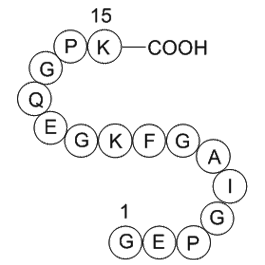
In humans, the superior safety profile of lipid-associated formulations is characterized by decreased acute infusion-related reactions and dose-related nephrotoxicity, allowing the administration of larger doses and therefore similar efficacy with fewer administrations. In vitro studies and human cl
-
Under some pathological conditions AT R internalization is d
2025-01-02
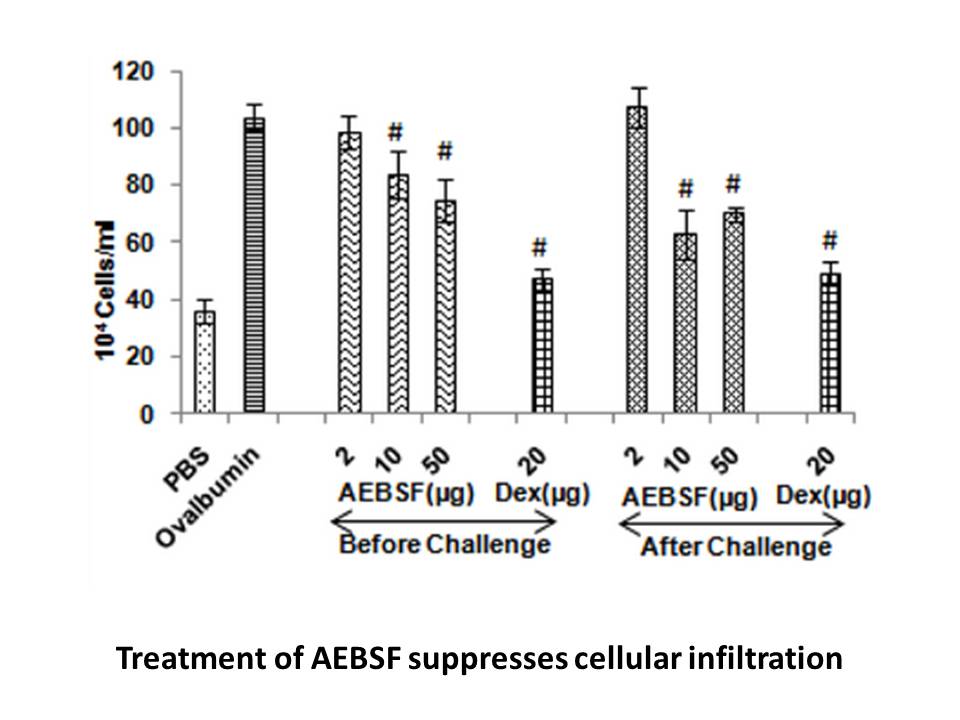
Under some pathological conditions, AT1R internalization is decreased when agonist exposure is prolonged. This weakens or removes the AT1R desensitization effect and leads to AT1R and downstream signal overactivation. AT1R overactivation can result in continued biological effects such as sustained v
-
Polycyclic aromatic hydrocarbons PAHs are abundant environme
2024-12-31
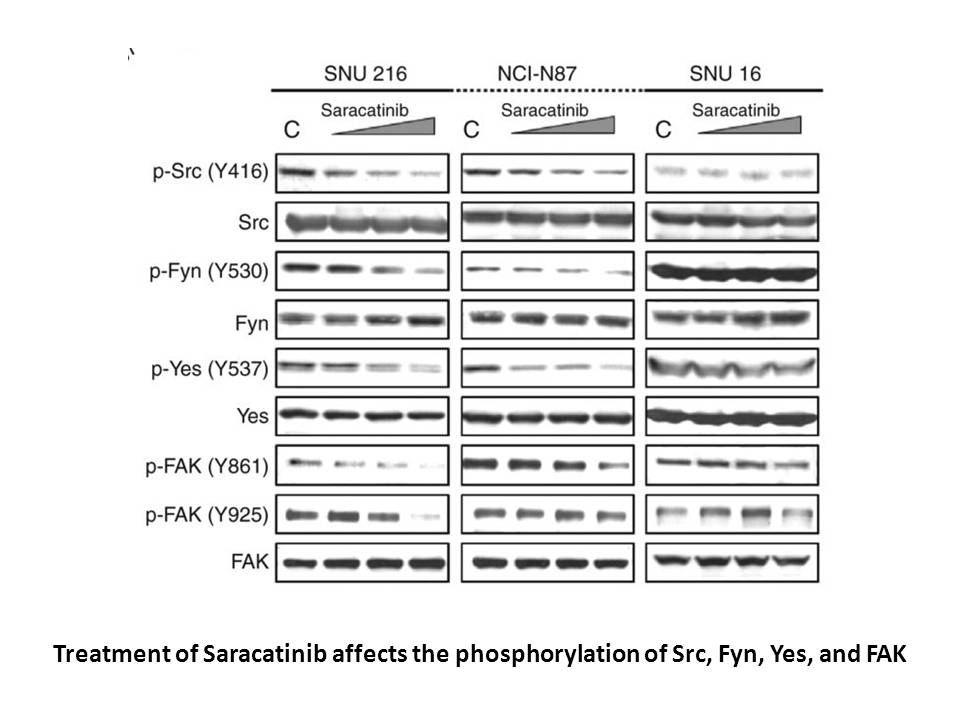
Polycyclic aromatic hydrocarbons (PAHs) are abundant environmental contaminants that are produced by the incomplete combustion of organic matter, combustion engines, residential heating, FDA-approved Drug Library burning, and industrial activities (Gelboin, 1980; Phillips, 1999, Phillips, 2002). So
-
Application of the broad acting HTR
2024-12-31
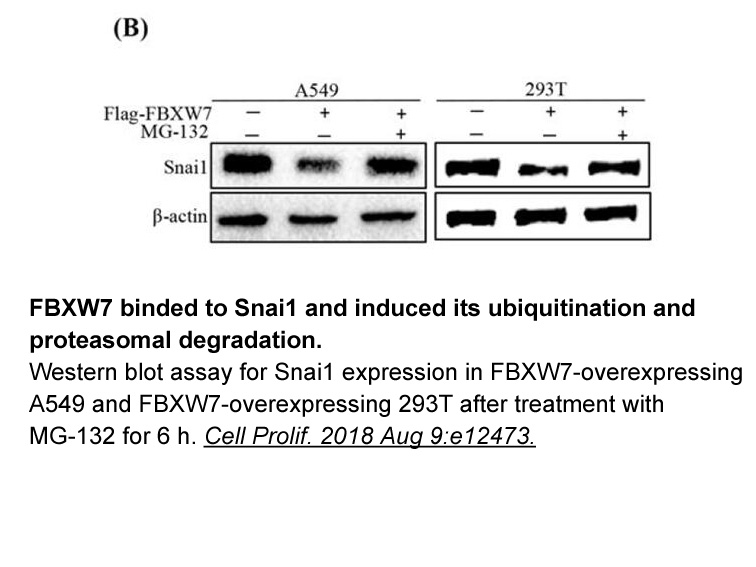
Application of the broad-acting 5-HTR antagonist methiothepin (Bard et al., 1996, Hoyer et al., 1994, Peroutka, 1990) converted the TBS-induced response of both thalamocortical and intracortical A1 synapses from LTP to LTD, an effect that was mimicked by the selective 5-HT2R antagonist ketanserin (L
7806 records 64/521 page Previous Next First page 上5页 6162636465 下5页 Last page