Archives
- 2026-07
- 2026-06
- 2026-05
- 2026-04
- 2026-03
- 2026-02
- 2026-01
- 2025-12
- 2025-11
- 2025-10
- 2025-09
- 2025-03
- 2025-02
- 2025-01
- 2024-12
- 2024-11
- 2024-10
- 2024-09
- 2024-08
- 2024-07
- 2024-06
- 2024-05
- 2024-04
- 2024-03
- 2024-02
- 2024-01
- 2023-12
- 2023-11
- 2023-10
- 2023-09
- 2023-08
- 2023-06
- 2023-05
- 2023-04
- 2023-03
- 2023-02
- 2023-01
- 2022-12
- 2022-11
- 2022-10
- 2022-09
- 2022-08
- 2022-07
- 2022-06
- 2022-05
- 2022-04
- 2022-03
- 2022-02
- 2022-01
- 2021-12
- 2021-11
- 2021-10
- 2021-09
- 2021-08
- 2021-07
- 2021-06
- 2021-05
- 2021-04
- 2021-03
- 2021-02
- 2021-01
- 2020-12
- 2020-11
- 2020-10
- 2020-09
- 2020-08
- 2020-07
- 2020-06
- 2020-05
- 2020-04
- 2020-03
- 2020-02
- 2020-01
- 2019-12
- 2019-11
- 2019-10
- 2019-09
- 2019-08
- 2018-07
-
Some limitations of this study
2020-10-08

Some limitations of this study must be noted. First, since the pretransplant evaluation of the T-cell immune response was performed just before transplantation, we cannot establish whether samples obtained at different times before the transplant would offer similar results, since end terminal disea
-
Cy5 carboxylic acid (non-sulfonated) The second part of this
2020-10-08
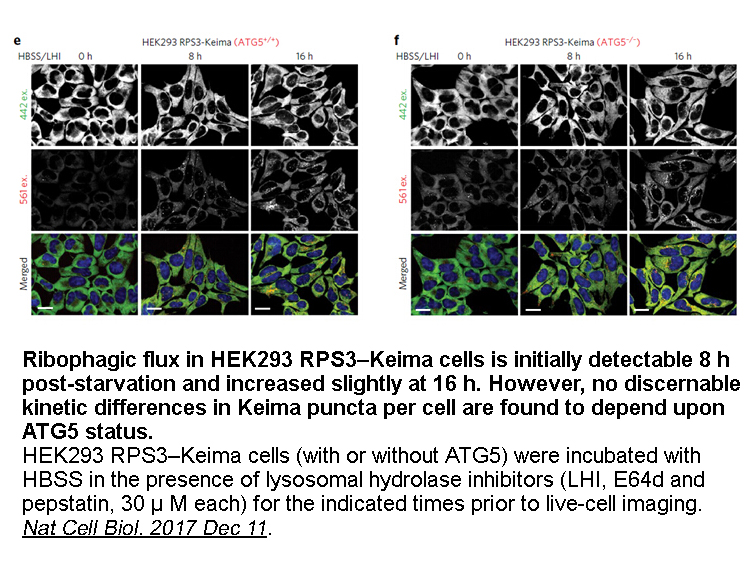
The second part of this study evaluated the role of CK1 in the eFABP4 cellular uptake in endothelial cells. By blocking CK1 expression using a specific siRNA, we corroborated that the presence of CK1 was fundamental for FABP4 cellular uptake and internalization in endothelial cells, thus decreased m
-
However not all inhibitory profiles by metals
2020-10-08
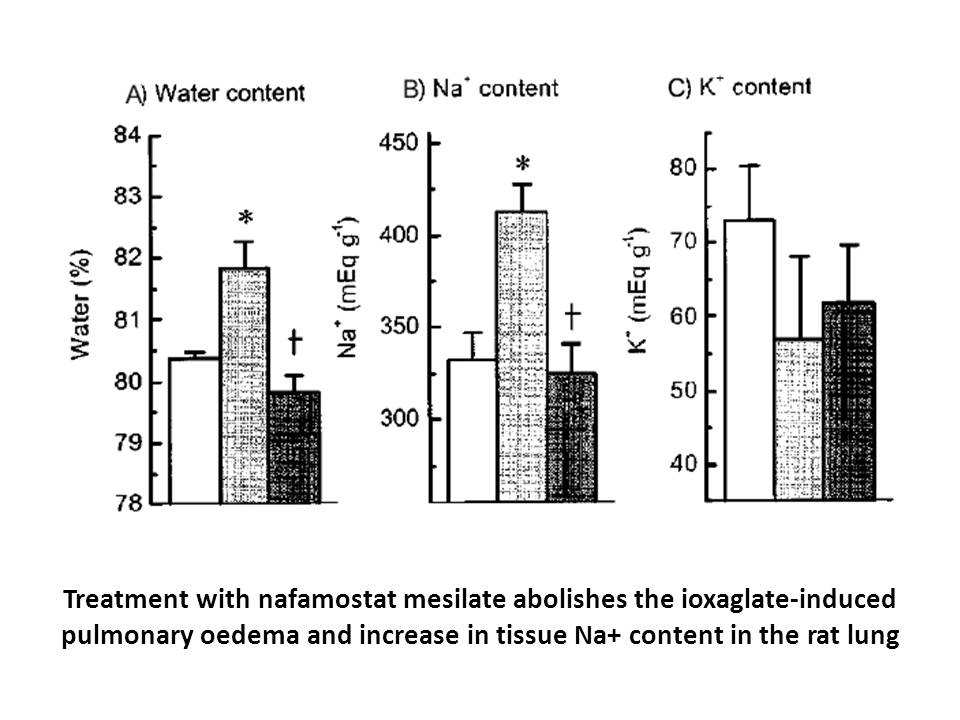
However, not all inhibitory profiles by metals can be a priori considered artifacts of the methodology used to quantify the activity of such enzymes. Metals can indeed interfere with cholinesterases, and the mechanisms are varied. The inhibitory effect of specific metals may derive from their abilit
-
To better understand the mechanism of splicing in
2020-10-08
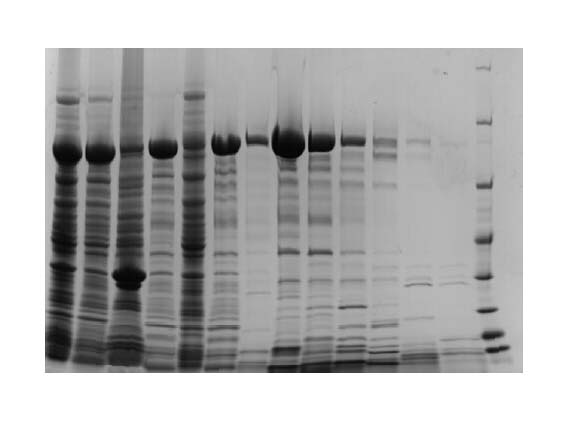
To better understand the mechanism of splicing in CLCN1, we began by constructing a minigene spanning exons 5–7 of CLCN1, resulting in the synthetic CLCN1 (5–7) minigene. We also established a new assay using real-time reverse transcription (RT)-PCR, which can distinguish between splicing variants b
-
GDC0941 synthesis br Materials and methods br Results br Dis
2020-10-08
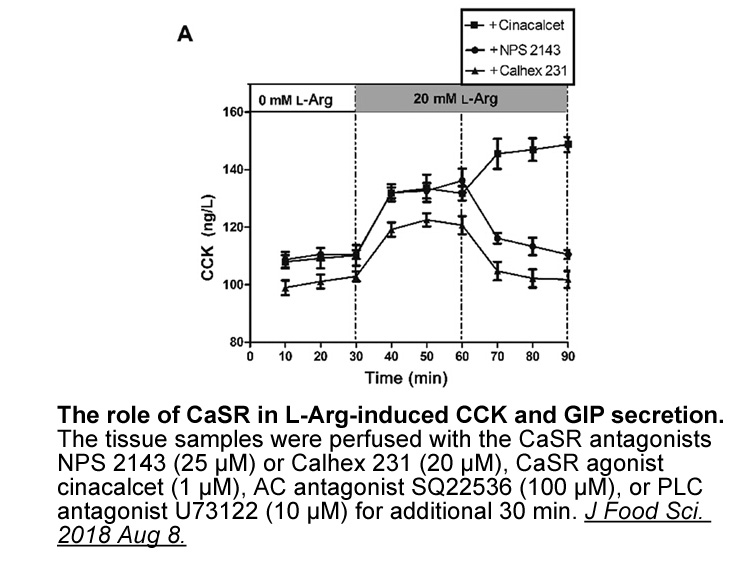
Materials and methods Results Discussion In this study, the N&B analysis showed new evidence regarding the proportion and the oligomerization state of the AT1 and the ETA receptors near or on the plasma membrane. Althought, preliminary studies suggest that the AT1 and the ETA receptors occu
-
Nicotinamide In the next experiments using a Cell
2020-10-08
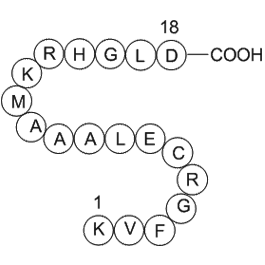
In the next experiments, using a Cell Stress Array kit we assessed the effect of mixture of progestogens on the expression of 26 proteins. One group of proteins including PON3, Phospho-p38a, SIRT2, SOD2, HIF-1 alpha, HIF-2alpha and p27 were upregulated upon progestogen treatment. HIF-1 functions as
-
br Materials and methods br Results br Discussion This
2020-10-08

Materials and methods Results Discussion This study demonstrates that various progestogens combined with E2 had different effects on breast cell growth. These effects had an inverse correlation with the changes of the PRA/PRB ratio. E2\'s antiapoptotic effects on MCF-7 Curcumol synthesis m
-
For immobilization of enzymes natural
2020-10-06

For immobilization of enzymes, natural polymers depict several outstanding features as support. These materials are inert, non-toxic, biodegradable and biocompatible. As well as, they can be treated with different functional groups easily by chemical reactions that occur under gentle conditions in a
-
The thermal behavior of the UV sensitive
2020-10-05
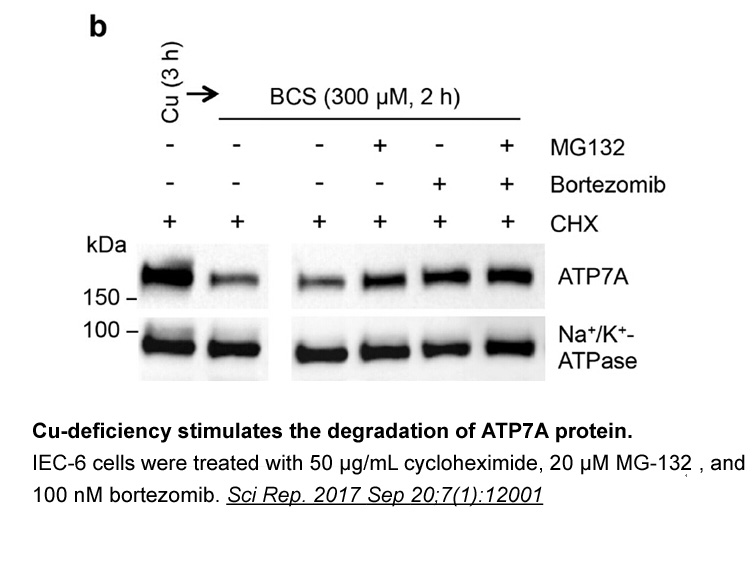
The thermal behavior of the UV-sensitive nanocomposites was investigated by DSC before and after irradiation in an extended temperature range (from −40 to 250 °C). Fig. 4a shows the thermograms of the non-irradiated GNP-DNA/PDMS nanocomposites in comparison with a neat PDMS sample. The filler-loaded
-
In glioblastoma methylation of pMGMT is predictive
2020-10-05
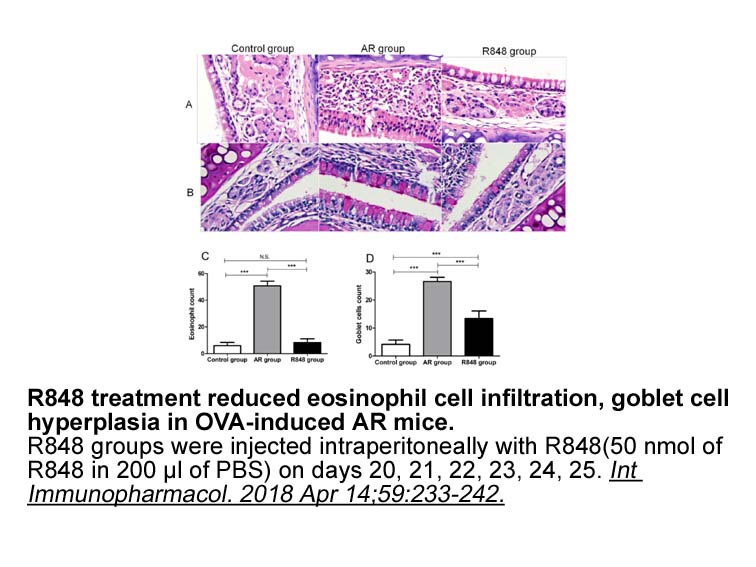
In glioblastoma, methylation of pMGMT is predictive of the efficacy of temozolomide with an increased survival [22], [23], [24], [25]. As in glioblastoma [24], [26], [27], [28], pMGMT methylation assessed by pyrosequencing (with immunochemistry, IHC) is the most effective and reproducible technique
-
There was a good alignment profile between compound IC M
2020-10-05
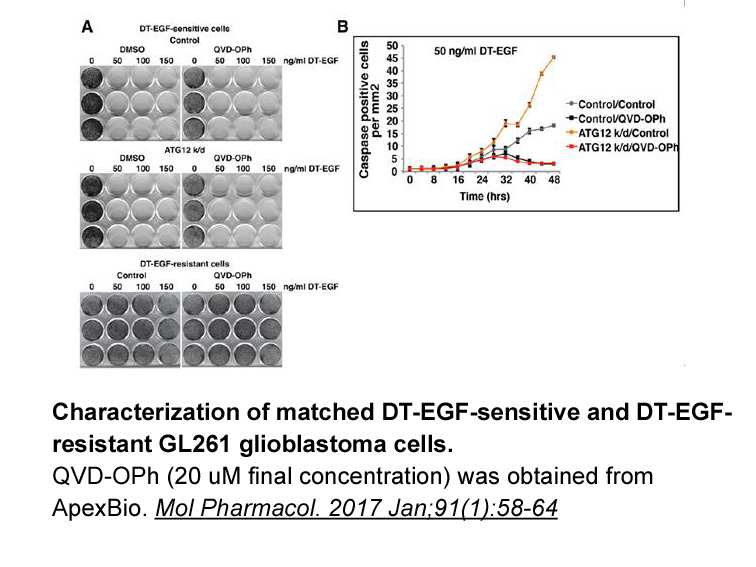
There was a good alignment profile between compound 26 (IC50 0.06μM) and MTX (IC50 0.08μM) explaining its activity pattern (Fig. 5a). Fig. 5b clearly indicates a different alignment profiles where carbonyl groups are not on the same side between 25 (IC50>100.0μM) and MTX which is in consistency with
-
We aim to apply the same technology to target
2020-10-05
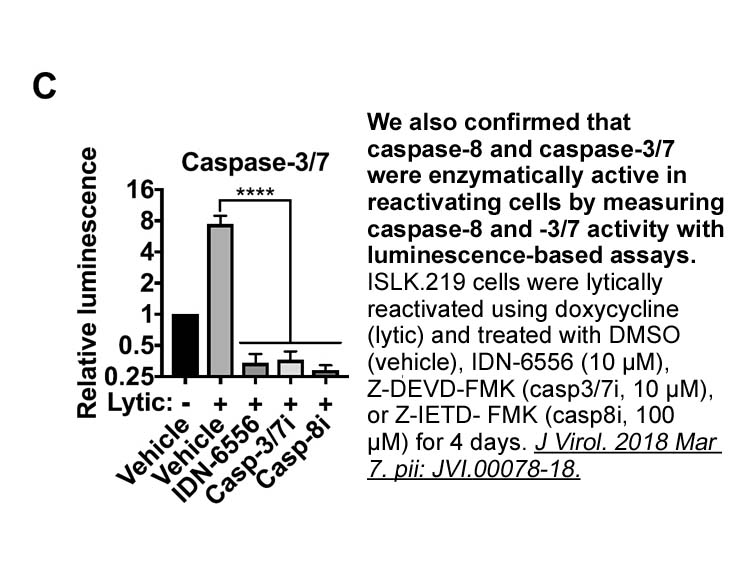
We aim to apply the same technology to target other collagen-binding proteins using motifs from collagens that are specific for other receptors or matrix components. Previously, we synthesized THP libraries, called Toolkits, composed of an active guest sequence flanked by five GPP host triplets that
-
Many authors have described the existence of correlation bet
2020-10-02
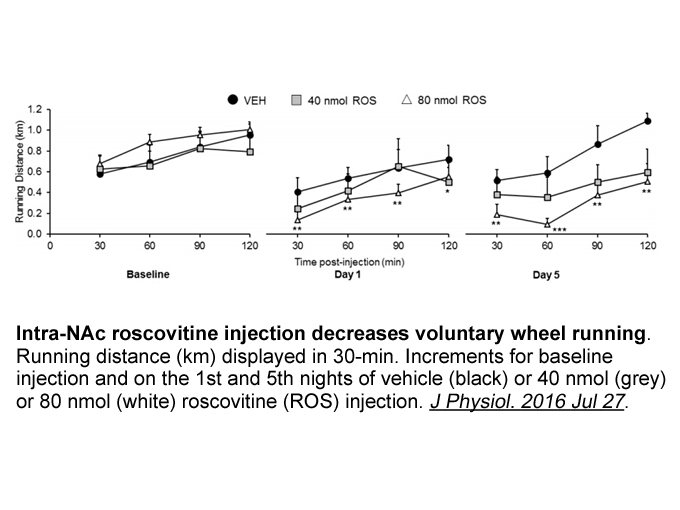
Many authors have described the existence of correlation between viability and moisture content and therefore, water availability. Sabuquillo et al. (2010) demonstrated that only Penicillium oxalicum conidial formulations whose initial moisture contents ranged between 5 and 14% retained their viabil
-
The present results are potentially relevant for understandi
2020-10-02
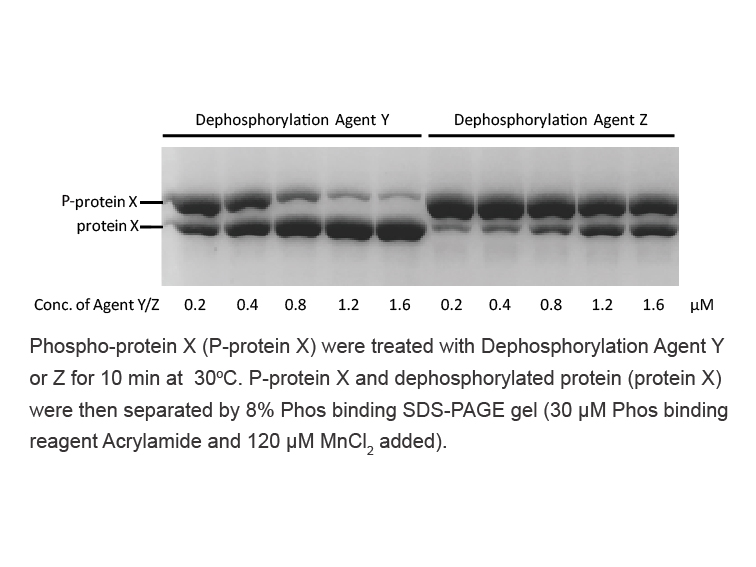
The present results are potentially relevant for understanding anxiety disorders and their treatment. Both COMT Val158Met (Lonsdorf and Kalisch, 2011, Montag et al., 2012) and neuroticism/anxiety (Clark et al., 1994, Mineka et al., 1998, Weinstock and Whisman, 2006) have been linked to the prevalenc
-
The binding pattern of was analysed by flexible molecular
2020-10-02
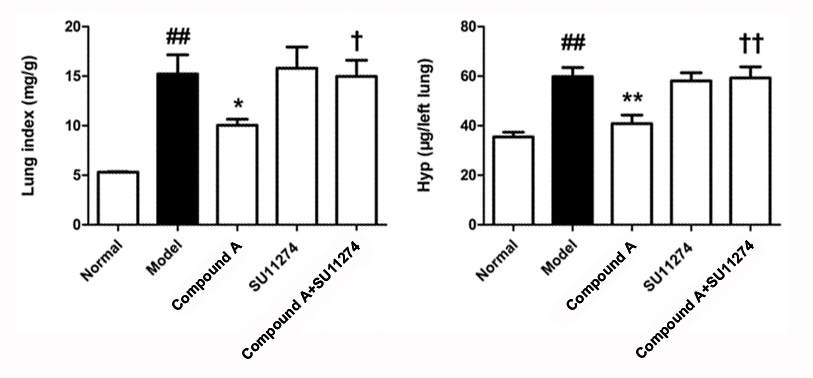
The binding pattern of 1 was analysed by flexible molecular docking. The KB SRC 4 receptor inserted into the narrow ATP binding site of CK2 (Fig. 2). As shown the aliphatic chain of 1 was located at the edge of the pocket and established van der Waals interactions with the side chains residues of Il
14509 records 776/968 page Previous Next First page 上5页 776777778779780 下5页 Last page